
Build Human Skills With Plans You Can Teach Today

We’re diving into DIY Soft Skills Lesson Blueprints that help you design, test, and teach practical people-skill sessions without expensive materials or rigid curricula. You’ll get adaptable patterns, facilitator tips, and story-driven exercises to run with teams, students, or communities. Bring a notebook, curiosity, and lived experience—by the end, you’ll hold a workable plan, clear objectives, and the confidence to deliver engaging activities that shift real behavior rather than simply filling time.

Start With Outcomes That Actually Matter

Before crafting activities, define observable behaviors your learners will demonstrate and the contexts where those behaviors should appear. Work backward from moments that matter: difficult meetings, peer reviews, client calls, classroom projects, or volunteer organizing. Clarify constraints—time, group size, remote versus in-person—so your design decisions become intentional. When outcomes are crisp, your blueprint guides choices about stories, prompts, and timing with purpose rather than guesswork.

Behavioral Targets Before Activities

Write success as actions a camera could capture: paraphrasing a colleague, naming an emotion respectfully, negotiating options, or running a constructive retro. These specific targets anchor every prompt and debrief, transforming abstract intentions into measurable progress that learners can recognize and celebrate together.

Learner Personas and Context Mapping

Sketch quick personas describing experiences, pressures, and motivations. A frontline support agent has different stakes than a graduate student or nonprofit organizer. Map where conversations break down for each persona, then design scenarios that feel uncomfortably real, yet psychologically safe, so practice time mirrors authentic challenges.

Constraints Become Creative Boundaries

Limited minutes, mixed abilities, or hybrid attendance can feel restrictive, yet boundaries sharpen craft. Choose tight cycles—warm-up, practice, debrief—to maintain energy. Embrace lightweight materials like sticky notes, shared docs, or chat threads, proving that focused facilitation beats fancy props for meaningful learning every single time.

Two-Minute Warm-Ups That Prime Attention

Start with a micro-prompt like, “Describe a conversation you wish had gone better, without naming names.” Pair people for quick shares, then harvest patterns. This primes relevance, surfaces motivation, and establishes a norm of respectful listening before heavier practice begins, lowering anxiety and raising curiosity immediately.

Role-Play Scaffolds That Feel Safe

Offer script starters and clear goals: one person voices a concern, the other practices paraphrasing and curiosity, a third observes behaviors. Provide sentence stems and a red card to pause. Safety grows when expectations, time limits, and opt-out options are explicit and compassionately reinforced by the facilitator.

Communication, Listening, and Empathy Labs

Conversation quality improves when learners experience the felt difference between reacting and understanding. Design labs that slow interactions down, surface assumptions, and rebuild them with curiosity. Include stories where a single paraphrase defused a spiraling meeting. Encourage learners to compare how they felt before, during, and after practicing, anchoring empathy in lived bodily experience.

SBI Feedback Circuits

Practice Situation-Behavior-Impact statements, then ask for the recipient’s view and a next step. Rotate roles so everyone experiences giving, receiving, and observing. Keep statements specific and short. Close with appreciation and a documented commitment, turning feedback into a cycle that strengthens relationships rather than frays them.

Compassionate Dialogue Drills

Borrow from nonviolent communication: observations, feelings, needs, and requests. Learners experiment with tone, pacing, and body language while keeping requests realistic. The magic appears when both sides feel heard, even amid disagreement, revealing how dignity and clarity can coexist without sacrificing accountability or progress.

Negotiation Micro-Matches

Stage quick rounds with hidden interests and BATNA reflections. Debrief moves that created value versus positional stalemates. Emphasize trading low-cost, high-benefit concessions and naming criteria upfront. Participants leave with language they can use tomorrow in budget talks, scope changes, chore rotations, or campus club planning.

Collaborative Projects and Team Routines
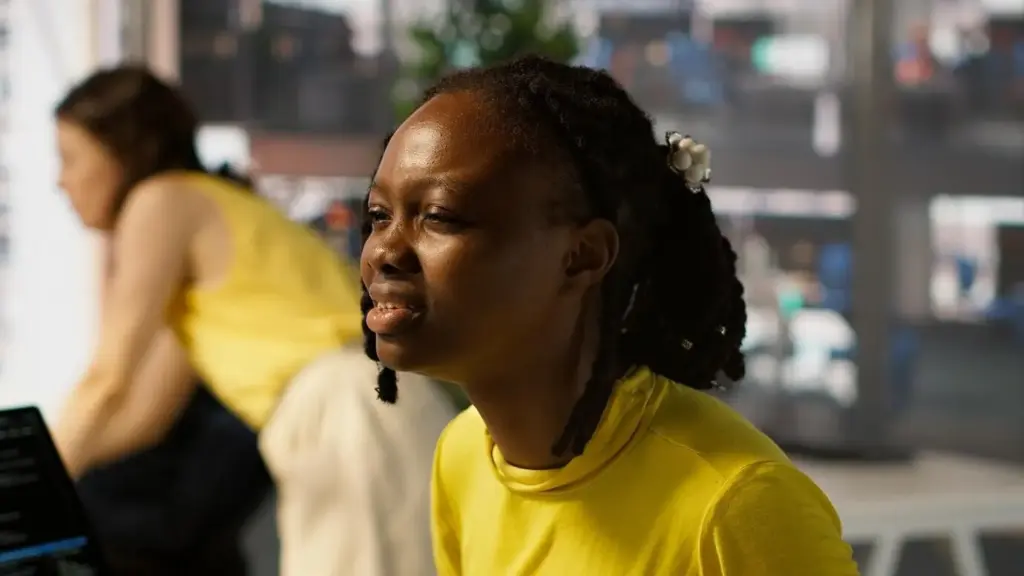
Sustained growth comes from small rituals, not heroic one-offs. Introduce lightweight routines—daily check-ins, decision logs, rotating facilitation—that normalize shared responsibility and psychological safety. A short standing meeting with explicit purpose beats sprawling updates. Celebrate micro-wins and credit shared learning, so collaboration feels energizing, equitable, and repeatable beyond the workshop walls.

Assess, Adapt, and Scale What Works

Measuring soft skills doesn’t require sterile tests. Use rubrics tied to behaviors, reflective journals, peer observation, and follow-up check-ins after real-world attempts. Iterate between sessions, A/B test prompts, and harvest stories of changed outcomes. Share your kits and notes with allies, inviting feedback and collaboration that improves the craft for everyone.
Create rubrics that describe behaviors across levels, from emerging to exemplary. Keep language plain and examples concrete. Invite self and peer ratings, then compare perceptions kindly. Over time, trends reveal where to reinforce practice, proving growth without reducing complex human connection to hollow numbers.
After each delivery, log friction points, timing surprises, and quotes that landed. Adjust one variable at a time—prompt wording, group size, or debrief questions—and note effect size. This disciplined tinkering makes your blueprint sturdier while honoring the living, human nature of interpersonal learning.
Pulivokirilapinu
Privacy Overview

This website uses cookies so that we can provide you with the best user experience possible. Cookie information is stored in your browser and performs functions such as recognising you when you return to our website and helping our team to understand which sections of the website you find most interesting and useful.